
Wondering what to drink in Spain? Sangria probably comes to mind first, but there’s so much more to Spanish drinking culture.
Order a caña at a neighborhood bar, sip vermouth before lunch or cool off with a tinto de verano on a hot afternoon. Travel around the country and you’ll find cider in Asturias, sherry in Andalucía, cava in Catalonia, Agua de Valencia in Valencia and txakoli and kalimotxo in the Basque Country.
And not everything worth ordering has alcohol. Coffee, horchata, juices and other non-alcoholic drinks are part of the experience too.
Here’s what I’d actually recommend drinking in Spain, plus a few useful words to know when it’s time to order.
A quick note before we go: Some links in this post may be affiliate links. I may earn a small commission if you book through them, at no extra cost to you. It helps fund my next café con leche and keeps the Spain travel tips coming. I only recommend things I’d genuinely choose for my own trip.
1. Cañas and Spanish Beer
Beer is everywhere in Spain, especially when you’re having tapas or meeting friends for a quick drink.
One of the most useful words to know is caña. A caña is a small draft beer, although the exact size varies depending on where you are. The smaller serving works particularly well when you’re going from bar to bar because you aren’t committing to a huge beer at every stop.
To order one, say “¿Me pones una caña, por favor?”
You’ll also hear people simply ask for una cerveza. Bottled beer comes in different sizes, and terms like botellín and tercio may appear depending on the bottle and region.
Spanish beer brands vary by location too. Part of the fun is seeing what’s on tap rather than searching for the same beer everywhere you go.
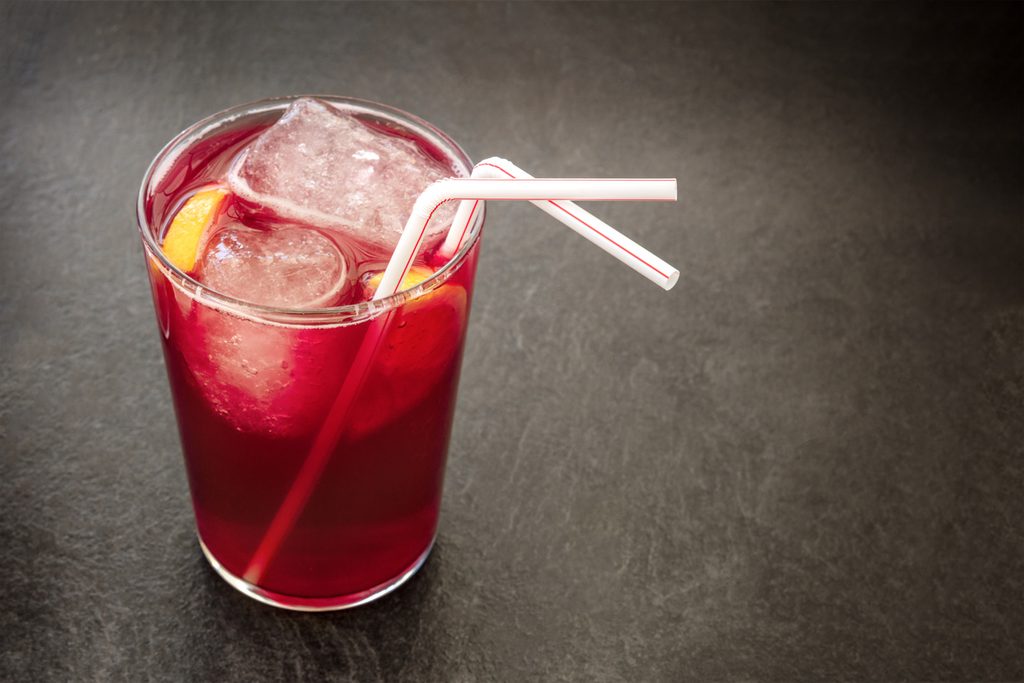
2. Tinto de Verano
If there’s one drink I wish more visitors knew about before arriving in Spain, it’s tinto de verano.
It’s usually made with red wine and gaseosa or a lemon-flavored soda, served over plenty of ice. It’s simple, refreshing and especially popular when the weather gets hot.
If you’re sitting on a terrace in July and sangria sounds a little heavy, order a tinto de verano instead. It’s one of those drinks that feels much more everyday than sangria.
3. Spanish Wine
You could plan an entire trip around Spanish wine.
Rioja is probably the name most international visitors recognize, but don’t stop there. Ribera del Duero is another fantastic region for reds, while Rías Baixas is known for Albariño. You’ll find excellent wine regions throughout the country.
You don’t need to understand Spanish wine to order it. Ask for “una copa de vino tinto” for red or “una copa de vino blanco” for white.
Better yet, ask what’s local. One of my favorite things about traveling around Spain is drinking wine from the region I’m actually visiting.
4. Vermouth
Vermouth, or vermut, has been part of Spanish drinking culture for generations. It’s traditionally enjoyed as an aperitif before lunch, often served over ice with an orange slice or olive.
Madrid is particularly fun for la hora del vermut. Spend a weekend there and you’ll see people gathering for a drink before heading to a long lunch.
If you’ve only thought of vermouth as something that goes into a cocktail, try it on its own in Spain.
5. Sangria
Yes, you can absolutely drink sangria in Spain.
Sangria usually combines wine with fruit and other ingredients, and it can be perfect when you’re sharing a pitcher with friends on a sunny terrace. But I wouldn’t automatically order it everywhere you go.
If you want something lighter and more casual, try a tinto de verano. If you’re in a wine-producing region, order the local wine.
Sangria can be fun. It just doesn’t need to become your official beverage for the entire trip.
How to drink vermouth in Spain.
6. Agua de Valencia
If you’re visiting Valencia, look for Agua de Valencia. Despite the name, this definitely isn’t water.
The cocktail is traditionally made with fresh Valencian orange juice, cava or another sparkling wine, vodka and gin. It’s fruity and refreshing, which can make it taste deceptively light.
It’s one of those drinks I’d save specifically for Valencia. Order a pitcher to share and enjoy it as part of experiencing the city rather than treating it as just another cocktail.
7. Cava
If you like sparkling wine, make room for cava.
Cava is a Spanish sparkling wine most closely associated with Catalonia, particularly the Penedès area. You’ll find it throughout Spain, but drinking it close to where it’s produced makes the experience even better.
If you’re spending time in Barcelona, you can also take a day trip into Catalonia’s wine country to visit wineries and learn more about how cava is made.
8. Sherry
Sherry is one of those Spanish drinks that’s much more interesting once you experience it where it’s made.
The Sherry Triangle in Andalucía, around Jerez de la Frontera, Sanlúcar de Barrameda and El Puerto de Santa María, is the place to try it.
Don’t assume all sherry is sweet. Fino and manzanilla are dry and work beautifully with seafood and tapas, while other styles can be richer or sweeter.
If you’re visiting Jerez, I’d absolutely consider a bodega tour and tasting.
9. Spanish Cider
Head north and the drinking culture changes again.
Sidra, or cider, is especially important in Asturias and is traditionally poured from high above the glass. The dramatic pour helps aerate the cider before you drink it.
Asturian cider is usually much drier and less sweet than many commercial ciders you may be used to. If you’re in Asturias, visit a sidrería and experience it properly.
10. Txakoli
If you’re heading to the Basque Country, look for txakoli.
It’s a light, crisp wine that’s often slightly fizzy and pairs beautifully with seafood and pintxos. You’ll see it frequently in places like San Sebastián and Bilbao.
This is exactly why I recommend ordering regionally in Spain. You could drink Rioja everywhere, but you’d miss drinks that are closely tied to the places you’re visiting.
11. Kalimotxo
Another drink you’ll come across in the Basque Country is kalimotxo, a simple mix of red wine and cola.
Yes, really.
It might sound strange if you’ve never tried it, but it’s been popular in the Basque Country for decades and has spread throughout Spain. It’s casual, inexpensive and especially associated with parties, festivals and younger crowds.
It’s not something I’d order with a beautiful dinner, but if you come across it in the right setting, give it a try.
12. Rebujito
Travel through Andalucía during warmer weather or festival season and you may come across rebujito.
It’s generally made by mixing dry sherry with a lemon-lime soft drink and serving it cold. It’s light and refreshing, and you’ll see it particularly around Andalusian ferias.
If you’re visiting Seville during Feria de Abril or another spring festival, this is one of those drinks that fits the moment perfectly.
13. Spanish Gin and Tonics
Don’t be surprised when you order a gin and tonic in Spain and receive something that looks much more elaborate than expected.
A Spanish gin-tonic is often served in a large balloon glass with plenty of ice. Depending on the bar, you may also get citrus, herbs or other garnishes.
If you’re a gin drinker, it’s worth ordering one at least once.
14. Café con Leche and Spanish Coffee
Not everything worth drinking in Spain contains alcohol.
A café con leche is espresso with milk and is my personal default. If you want something smaller and stronger, order a café solo. A cortado is espresso with a smaller amount of milk.
Coffee is woven into everyday life in Spain. Have one with breakfast, after lunch or while sitting at a café watching the world go by.
15. Horchata
If you’re in Valencia, don’t leave without trying horchata de chufa.
Spanish horchata is made from tiger nuts, or chufas, so it’s different from the rice-based versions you may have tried elsewhere. It’s sweet, cold and particularly refreshing during Valencia’s hot summers.
The traditional pairing is horchata with fartons, long sweet pastries made for dipping.
If you’re traveling with kids, this is an easy one to make part of the experience.
Non-Alcoholic Drinks to Try in Spain
You absolutely don’t need to drink alcohol to enjoy Spanish café and bar culture.
Along with coffee and horchata, you’ll find mosto, a grape drink that can be a great alternative to wine. Fresh orange juice, or zumo de naranja natural, is another favorite, especially at breakfast.
You can also simply order agua con gas for sparkling water or agua sin gas for still water. Most bars and restaurants have the usual soft drinks too.
Many places now offer alcohol-free beer as well. Ask for “una cerveza sin alcohol” or simply “una sin.”
What Can Kids Drink in Spain?
Kids won’t have any trouble finding something to order while the adults have tapas.
Fresh orange juice is an easy option, and horchata is especially fun if you’re in Valencia. Soft drinks like Fanta, Coca-Cola and lemon sodas are widely available.
You’ll also see batidos, or milkshakes, and chocolate drinks depending on the café. For something very Spanish, take them for a chocolate caliente with churros. Spanish hot chocolate is thick, rich and practically a dessert.
And don’t overlook mosto. The grape flavor makes it a fun alcohol-free option when everyone else is having wine.
How to Order Drinks in Spanish
You don’t need much Spanish to order a drink, but learning a couple of phrases makes walking into a local bar much easier.
One of the most natural phrases you’ll hear is “¿Me pones…?”
For example, “¿Me pones una caña?” gets you a small draft beer. You could also say “¿Me pones un tinto de verano?” or “¿Me pones una copa de vino tinto?”
For a non-alcoholic beer, try “¿Me pones una sin?”
Don’t worry about speaking perfect Spanish. A por favor and gracias will get you a long way.
What Should You Drink With Tapas?
A caña is probably one of the easiest choices. The small size works perfectly when you’re moving between tapas bars, and beer pairs well with almost everything.
Wine is just as common. Try a glass of local red or white, or order vermouth if you’re going out before lunch. In summer, tinto de verano is hard to beat.
Then let the region guide you. Order sherry in Andalucía, txakoli with pintxos in the Basque Country or cider when you’re in Asturias.
The drinks can be just as regional as the food.
Try the Drink That’s Local
If there’s one thing I’d take away from this guide, it’s this: don’t drink the same thing everywhere you go.
Order Agua de Valencia in Valencia. Try horchata there too. Have txakoli or even a kalimotxo in the Basque Country. Drink cider in Asturias, cava in Catalonia and sherry in Andalucía.
In Madrid, make time for vermouth. And when it’s hot almost anywhere in Spain, a cold tinto de verano is hard to beat.
Spanish drinking culture changes as you move around the country. Following those regional traditions is much more interesting than spending two weeks ordering sangria.
Try a Spanish Food or Wine Tour
If food and wine are a big part of why you’re going to Spain, this is one area where I think a good tour can be worth the money.
Wine tours are particularly useful when the wineries you want to visit are outside the city. You get transportation, tastings and someone who can actually explain what you’re drinking.
Food tours can be useful at the beginning of a trip too. You’ll learn what to order, where locals actually go and which regional drinks pair with the food you’re trying.
Try This Barcelona Tapas Tour
I like the Barcelona: Tapas Walking Tour with Food, Wine, and History because it combines the food with some of the story behind the city.
You’ll visit different spots for tapas and wine while learning about Barcelona’s history along the way. I’d choose this early in a trip because it gives you a feel for the local food scene and makes ordering on your own less intimidating afterward.
Check Availability for the Barcelona Tapas Tour →
Plan Your Spain Trip Without the Spreadsheet Chaos
Once you start combining cities, hotels, train tickets, tours and restaurant reservations, there are suddenly a lot of details to keep track of.
I created my Spain Travel Planner for Google Sheets to keep everything in one place. Use it to organize your itinerary, reservations, transportation and activities without information scattered across emails, screenshots and notes.
You can even keep a running list of wineries, tapas bars and restaurants you want to try along the way.
Get the Spain Travel Planner for Google Sheets →
Not Sure Which Part of Spain Is Right for You?
Maybe you’re picturing wine bars in Madrid, cava country outside Barcelona, pintxos and txakoli in San Sebastián or sherry in Andalucía.
Take my free Spain Travel Style Quiz and find out which Spanish destinations fit the way you love to travel.
Answer a few quick questions, and I’ll match you with the destinations, experiences, food, culture and little moments in Spain that suit your travel style.
Because your perfect Spain trip isn’t necessarily someone else’s.
FAQs About Drinking in Spain
What is Spain’s most popular drink?
Beer and wine are among the most popular alcoholic drinks in Spain, while coffee is an important part of everyday Spanish life. What people drink depends on the occasion and region, with cañas, wine, vermouth and regional specialties all common choices.
If you’re at a casual bar, a small draft beer called a caña is one of the easiest things to order.
Where is the 3 drink rule in Spain?
Spain’s so-called “3 drink rule” refers to alcohol restrictions associated with certain tourist areas of the Balearic Islands, not a nationwide rule. Special responsible-tourism regulations have applied to designated areas of Mallorca and Ibiza to reduce excessive alcohol consumption.
These regulations can change, so check the current rules for your resort and accommodation before traveling.
Which alcohol is best in Spain?
Some of the best alcohol to try in Spain includes Spanish wine, vermouth, cava, sherry, cider, beer and regional drinks like Agua de Valencia. The best choice depends on where you’re traveling.
Try sherry in Andalucía, cider in Asturias, txakoli in the Basque Country, cava in Catalonia and Agua de Valencia in Valencia.
What happens in Spain between 2pm and 5pm?
Between 2 p.m. and 5 p.m., many people in Spain are having lunch or taking an afternoon break, and some smaller businesses may close. It does not mean that all of Spain shuts down for a siesta.
Lunch is the main meal of the day for many Spaniards, and the afternoon schedule varies considerably between cities, smaller towns and tourist areas.
Accuracy note: Drinking customs, local specialties, alcohol regulations, opening hours and prices can vary across Spain and change over time. Always check current local regulations and information when planning your trip.
Further Reading
exploring:
Leave a comment