


Solo Travel With Social Anxiety
Embarking on solo travel with social anxiety might at first feel like a mismatch—but it can become a deeply meaningful journey. You don’t pretend your anxiety isn’t there; instead you invite it along and give it a seat beside you. In Spain’s layered streets—from Madrid’s grand boulevards to small fishing villages—you’ll find that traveling alone doesn’t necessarily mean loneliness. You control the pace, choose your engagements, and design your experience around your comfort.
- Recognise social anxiety as a companion, not a barrier.
- Accept that solo travel can be adapted to your comfort zone.
- View the phrase “solo travel with social anxiety” as intentional rather than limiting.
- Understand that on this journey you are creating your own terms.

Key Takeaways
- Solo travel with social anxiety can be a rewarding experience by acknowledging anxiety as a companion.
- Plan intentionally by choosing accessible destinations and preparing flexible itineraries that prioritize comfort.
- Utilize techniques like the 333 rule to stay grounded in overwhelming situations while traveling alone.
- Embrace the autonomy of solo travel, allowing yourself to engage with social moments on your own terms.
- Reflect on your journey to build confidence, experiencing personal growth through each step taken.
Understanding the Emotional Terrain
When you consider travelling alone while living with social anxiety, it’s helpful to map out the emotional landscape. Social anxiety often brings fears of judgment, awkwardness in conversation, or feeling out of place—even when that isn’t factual. Apply that to arriving in a new city, speaking a new language, navigating unfamiliar streets and you’ll see why the first steps can feel weighty. Yet this very vulnerability can become your ally: it prompts preparation, gentle pacing and self‑care. You learn to hold yourself kindly—notice triggers, allow yourself rest, and choose social moments deliberately.
- Acknowledge your fears without letting them define you.
- Notice specific discomforts such as “What if I’m alone at dinner?” or “What if I say the wrong thing?”
- Recognise vulnerability as part of the process, not a weak point.
- Use the idea of small, manageable exposures (graded steps) to build ease.
Why Solo Travel Might Be a Good Fit
If you’re wondering whether solo travel with social anxiety is a mismatch, consider this: your circumstances might yield unique strengths. When you travel with others, there’s often unspoken pressure—to keep up, to socialise, to meet group expectations. Solo travel frees you from that. You select your pace, choose when to engage, when to disconnect. For someone living with social anxiety, that autonomy is powerful. You can craft routines that ground you—morning coffee in a quiet café, an afternoon stroll, an early evening retreat—without needing to align with someone else’s agenda.
- Gain freedom from group‑pace constraints.
- Set your own rhythm: linger when you want, move on when you’re ready.
- Choose how much interaction you allow and when.
- Embrace the opportunity to travel in a way that works for you.
Planning With Intent: Preparation That Supports You
Preparation matters especially when you are undertaking solo travel with social anxiety. But this isn’t about rigid schedules—it’s about readiness and choice. Begin with destination choice: pick cities or regions with infrastructure suited to solo travellers, manageable transport and calm neighbourhoods. Research becomes your tool: How will I get from the airport? Where is the nearest café I like? What quiet spaces will become my refuge? Pack a “comfort kit”—earphones, favourite book, journal—that reminds you of home. And before departure, try solo‑time at home: lunch on your own, sitting in a café alone—these small acts build familiarity and reduce fear.
- Choose destinations based on accessibility, comfort and low‑pressure environments.
- Research key logistics and identify backup options.
- Prepare comforts from home to support you emotionally.
- Practice being alone in small ways before your trip to build confidence.
- Set compassionate expectations that you may feel anxious—and that’s okay.
Starting With Arrival: A Gentle Entry
Arriving in a new place can feel like opening a door to the unknown—and when you’re managing social anxiety, that door may creak a little louder. For solo travel with social anxiety, treat arrival as a warm‑up rather than a full sprint. Choose an airport transfer to avoid heavy logistics. Once at your accommodation, unpack comfortably, make the space feel yours, then step out for a slow walk—the neighbourhood, a café. Sit, order a drink, observe for ten minutes. You’ve not plunged into full sightseeing mode—you’ve acclimated. This gives your system the chance to settle.
- Use transport options that reduce immediate stress.
- Make your space feel like a sanctuary, not just a hotel.
- Begin with a light walk and low‑key café stop instead of a full schedule.
- Give yourself permission to have a “soft day”.
- Remember: you’re not behind schedule—you’re honouring your pace.
Eating Out Alone With Ease
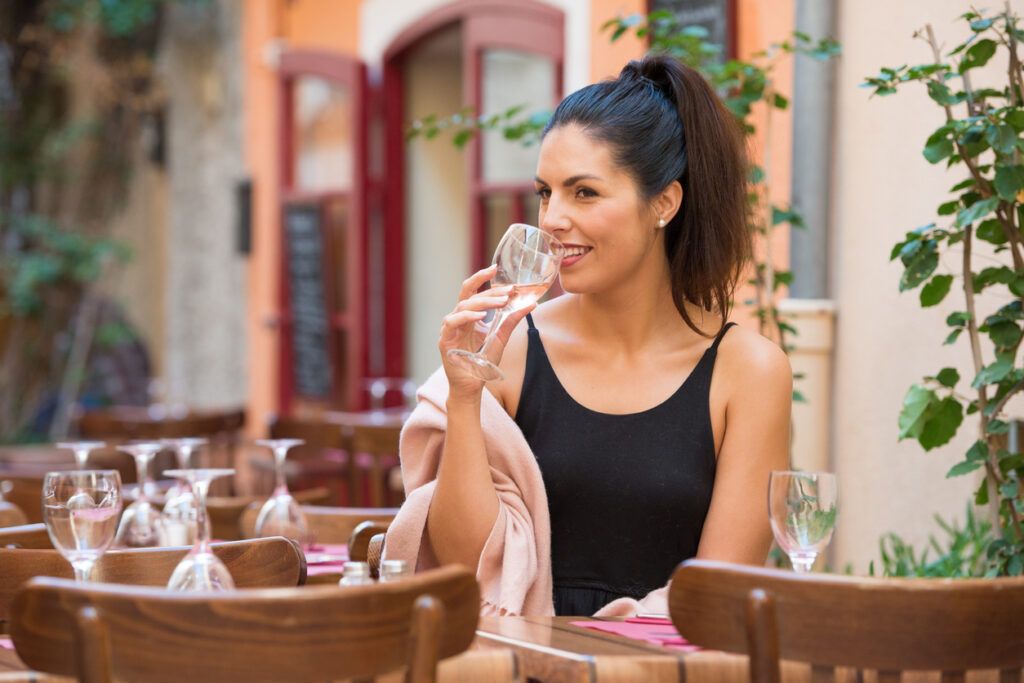
If the idea of eating out alone makes your chest tighten, you’ll be pleased to know that solo travel with social anxiety doesn’t mean dreading meals—it can mean embracing quiet moments. Shift your mindset: you’re not forcing socialisation; you’re enjoying company with yourself in a new environment. Identify a relaxed café or tapas bar, perhaps arrive before the peak crowd, sit at the counter or a small table, bring a book or just your thoughts. Use these moments to observe: how locals chat, how the light shifts, what your body notices. Slowly, dining alone can evolve from something to avoid to a calm ritual.
- Choose seating and timing that reduce pressure (bar seat, early dinner).
- Bring a book, journal or device to ease the feeling of being “on” the whole time.
- View the meal as a moment of pause and observation, not performance.
- Recognise that being alone at dinner is not less than—it’s simply different.
More tips on eating out alone.
Choosing Social Moments On Your Terms
One of the beneficial aspects of solo travel with social anxiety is the ability to curate your social exposure. You decide when to dip into the social pool and when to step back into your own space. For instance, you might join a small‑group cooking class or walking tour in a new city—interaction is structured, social energy is bounded. On other days you might choose a quiet museum visit, a solo café stop or a park bench moment. Experts note that for travellers managing social anxiety, balancing optional connection with solitude is key. You’re not avoiding people—you’re choosing when and how to engage.
- Select group activities with structure rather than free‑form socialising.
- Alternate quieter days with ones that include gentle social engagement.
- Use micro‑interactions: a chat with a waiter, a greeting on a tram.
- Reflect daily: which social moments felt good? Which drained you? Adjust accordingly.
Slow Travel as a Supportive Approach
When you’re travelling solo and also working with social anxiety, rushing between multiple cities only builds stress. That’s why slower travel—fewer places, longer stays—becomes a supportive approach rather than just a preference. By remaining in one location for several nights, you build familiarity: the café you revisit becomes known, the park you stroll becomes your interval of calm. Decision fatigue decreases. You’re no longer hopping from one high‑agenda to the next—you’re allowing presence. This steady rhythm supports you by reducing the unpredictable and increasing the known.
- Choose fewer places and stay longer in each.
- Frequent the same spots to build familiarity and comfort.
- Use slower pacing to reduce decisions and emotional load.
- Prioritise depth over breadth in your travel experience.
Establishing Boundaries, Safety & Self‑Respect
Travelling alone while managing social anxiety means practising self‑respect: honouring your limits and maintaining physical and emotional safety. Make a habit of sharing your broad itinerary with a trusted person. Choose accommodation in safe and accessible neighbourhoods. Know how to politely say “no thanks” when you’re at capacity. Listen to what your body and mind tell you—when you feel fatigue, pause. Some travel advice speaks of physical safety; equally important is emotional safety. Being aware of both gives you solidity.
- Let someone you trust know your general travel plan.
- Book lodging in safe, well‑reviewed areas with good access.
- Be comfortable opting out of an activity when you feel the anxiety rising.
- Recognise emotional exhaustion as valid and treat it with the same care as physical fatigue.
- View responsible planning as a means of freedom rather than limitation.
Dealing With Low Moments and Travel Fatigue
Even the most prepared traveller will face low moments—and if you’re doing solo travel with social anxiety, these times may feel heavier without a familiar support system nearby. Some mornings you may wake and feel resistance to leaving your room. Some afternoons might bring heavy emotion or fatigue. On those days, allow yourself to rest. Spend an afternoon in your room, order a simple meal, read, reflect. Not every day needs to be full of activity. Acknowledging the low moments isn’t defeat—it’s integration.
- Accept that difficult days are part of the journey.
- Allow yourself to rest without guilt.
- Use your comfort kit or familiar routines to soothe yourself.
- Reassess and simplify your plans if necessary.
- Remember: pausing is not quitting—it’s preserving your well‑being.
Using the 333 Rule to Stay Grounded While Traveling Alone
One of the most helpful tools I used during my solo trip—especially in unfamiliar or overstimulating moments—was the 333 rule for anxiety. This grounding technique is simple but powerful. When you feel overwhelmed, anxious, or like the world around you is moving too fast, the 333 rule helps bring your attention back to the present moment in a way that feels manageable.
Here’s how it works: look around and name three things you can see, then three things you can hear, and finally, move three parts of your body (like wiggling your toes, stretching your arms, or rolling your shoulders). That’s it. It’s a mindful reset designed to slow racing thoughts and reconnect your mind to your body and surroundings.
I used this often—while waiting alone for a tour to start, when I was in a crowded market, or even before stepping into a new restaurant. The 333 rule gave me something concrete to do, which cut through the mental static of anxiety. It’s quiet, discreet, and totally portable.
- Helps bring focus to the present during anxious moments.
- No tools or apps needed—just your attention and surroundings.
- Great for public settings when anxiety spikes (airports, restaurants, tours).
- Encourages sensory grounding and body awareness.
- Can be repeated multiple times until the anxious wave passes.
Whether you’re on a solo boat ride or sitting alone in a buzzing tapas bar, this rule is one of those simple strategies that quietly helps make the experience more manageable—and even enjoyable.
A Real Trip: My Solo Experience in Southern Spain
When I think about solo travel with social anxiety, my recent trip to Southern Spain offered one of the most affirming experiences. I arrived in Seville after a long, sleepless flight—mind buzzing, body tense. Instead of pushing myself into sightseeing, I booked an appointment at Aire Ancient Baths. I sat alone in warm water, surrounded by soft light and quiet echoes. It was the best way I could have landed—no pressure, no performance, just breath. That gentle entry set the tone for the rest of the trip.
Later that night, I wandered out for tapas by myself. I had booked a few “must‑see” restaurants in advance, so I didn’t have to decide in the moment. So I ordered slowly, took notes for my blog, reviewed photos for Instagram, and texted friends back home. I wasn’t lonely—I was grounded. I went on a small boat tour, alone, and noticed others were solo too. It made me feel part of something, quietly. One night, I saw a flamenco performance alone and sat at the back. Without needing to react a certain way, I could just absorb the emotion of the dancers. No performance. No pressure.
Much of my time was spent simply wandering the city on my own. I slept when I needed to, rested when I wanted. I changed my schedule freely. That flexibility—knowing I could pivot at any moment—was part of what made it so manageable. I left Seville feeling steadier, not because the anxiety vanished, but because I had moved through the experience gently, on my own terms.
- Plan soft landings: a hammam, a bath, something slow.
- Book meals or events ahead to reduce decision fatigue.
- Use solo moments for reflection, note‑taking, or sharing in your own way.
- Attend group activities without pressure to perform or connect.
- Rest often, adjust schedules, and build your trip around your needs—not expectations.
Building Confidence and Reflecting on Growth
When you engage in solo travel with social anxiety, you may not leave without anxiety—but you will leave with deeper self‑knowledge and confidence. Each morning you wake up in a new place, ask a question in another language, choose a café alone—you’re proving your capacity. Travel commentators have described solo journeys as a kind of “self‑guided exposure therapy”—not a cure, but a context for growth. Over time, your internal narrative shifts: you become more comfortable with your own company and your own pacing. You return with small wins and a refreshed perspective.
- Document your experiences: what surprised you? What felt different?
- Keep track of small wins: I asked for directions, I sat quietly in a café.
- Reflect on your journey: what triggered anxiety? what eased it?
- Carry the lessons home—your travel rhythms and reflections can inform everyday life.
FAQ’s
How to travel alone with social anxiety?
Start by planning your trip in manageable steps: choose destinations with good infrastructure, book accommodations in safe, calm neighborhoods, and prepare a flexible itinerary. Begin with small solo activities like dining alone or taking a short tour. Pack comfort items, allow space for rest, and gradually expose yourself to social settings without pressure to engage. Solo travel with social anxiety works best when it’s paced, intentional, and adapted to your personal comfort level.
What is the 333 rule for social anxiety?
The 333 rule for social anxiety is a grounding technique that helps bring your focus back to the present moment. It involves identifying three things you can see, three things you can hear, and moving three parts of your body. This mindfulness strategy reduces racing thoughts and calms physical symptoms of anxiety during stressful moments, such as when travelling alone or entering a new environment.
Is solo travel good for introverts?
Yes, solo travel can be an ideal experience for introverts. It allows for complete control over your schedule, how much social interaction you engage in, and when to rest or explore. Without the pressure to accommodate others, introverts can enjoy deeper connection with their surroundings and more meaningful, quiet experiences. It also provides space to recharge and reflect without external demands.
How to deal with extreme social anxiety?
Dealing with extreme social anxiety starts with self-awareness and professional support. Techniques like cognitive behavioral therapy (CBT), exposure therapy, mindfulness, and medication (if recommended) can all help. When travelling, set clear boundaries, build in rest time, and create a list of calming strategies for high-anxiety moments. Use structured activities and familiar routines to reduce unpredictability and stress.
Final Thoughts on Solo Travel With Social Anxiety
Solo travel with social anxiety isn’t about being fearless—it’s about moving forward with care. Every small step, from dining alone to choosing rest, is a form of growth. You don’t have to push yourself to fit in or keep up. You get to choose your pace, your moments, and your experience. And in that space, real confidence begins to grow.
Luggage Storage in Spain
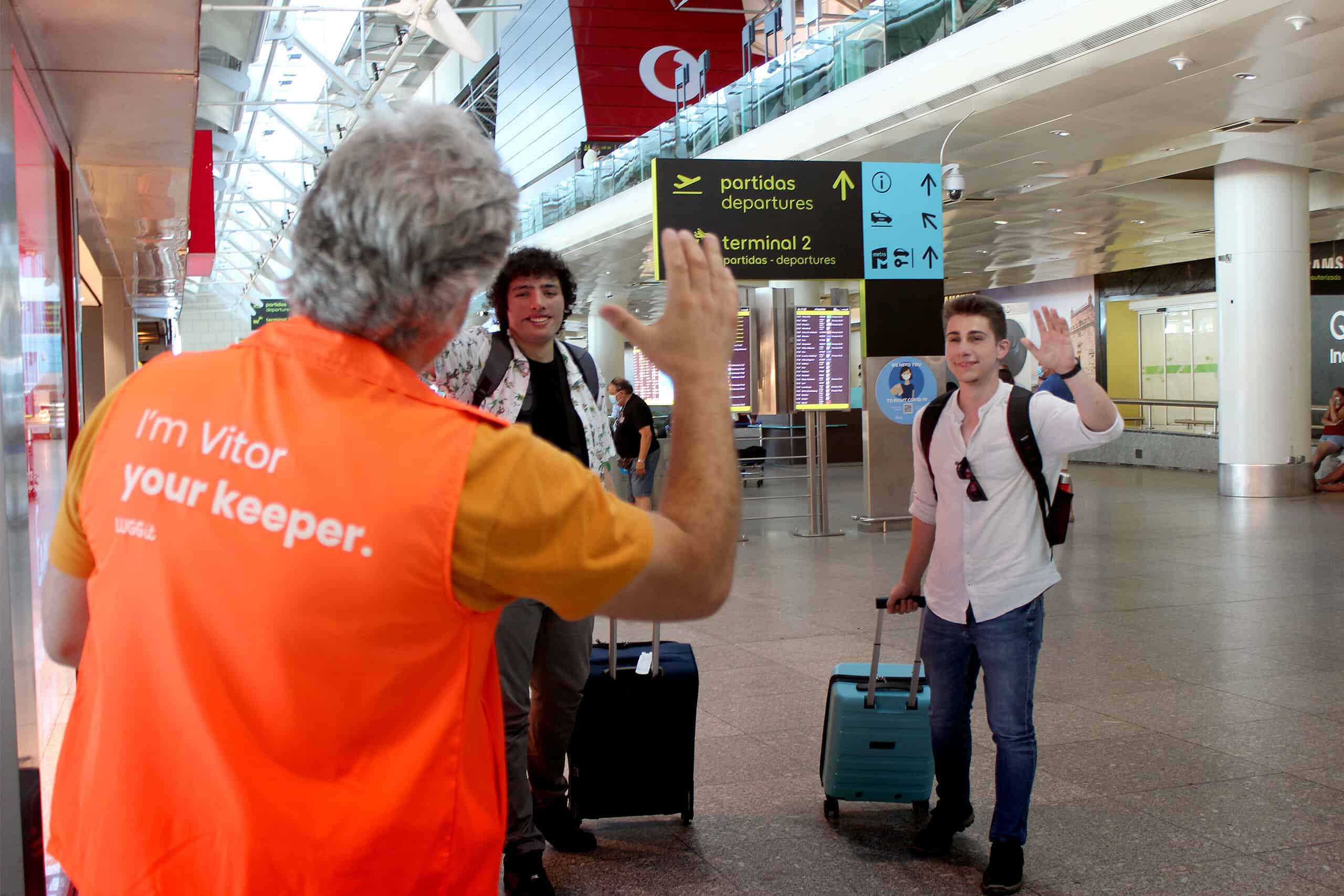
LUGGit vs. Traditional Luggage Storage: Hassle-Free Travel in Spain
Compare LUGGit’s pickup and delivery service with traditional lockers. Learn which luggage storage fits your trip—and your travel style—in Spain.
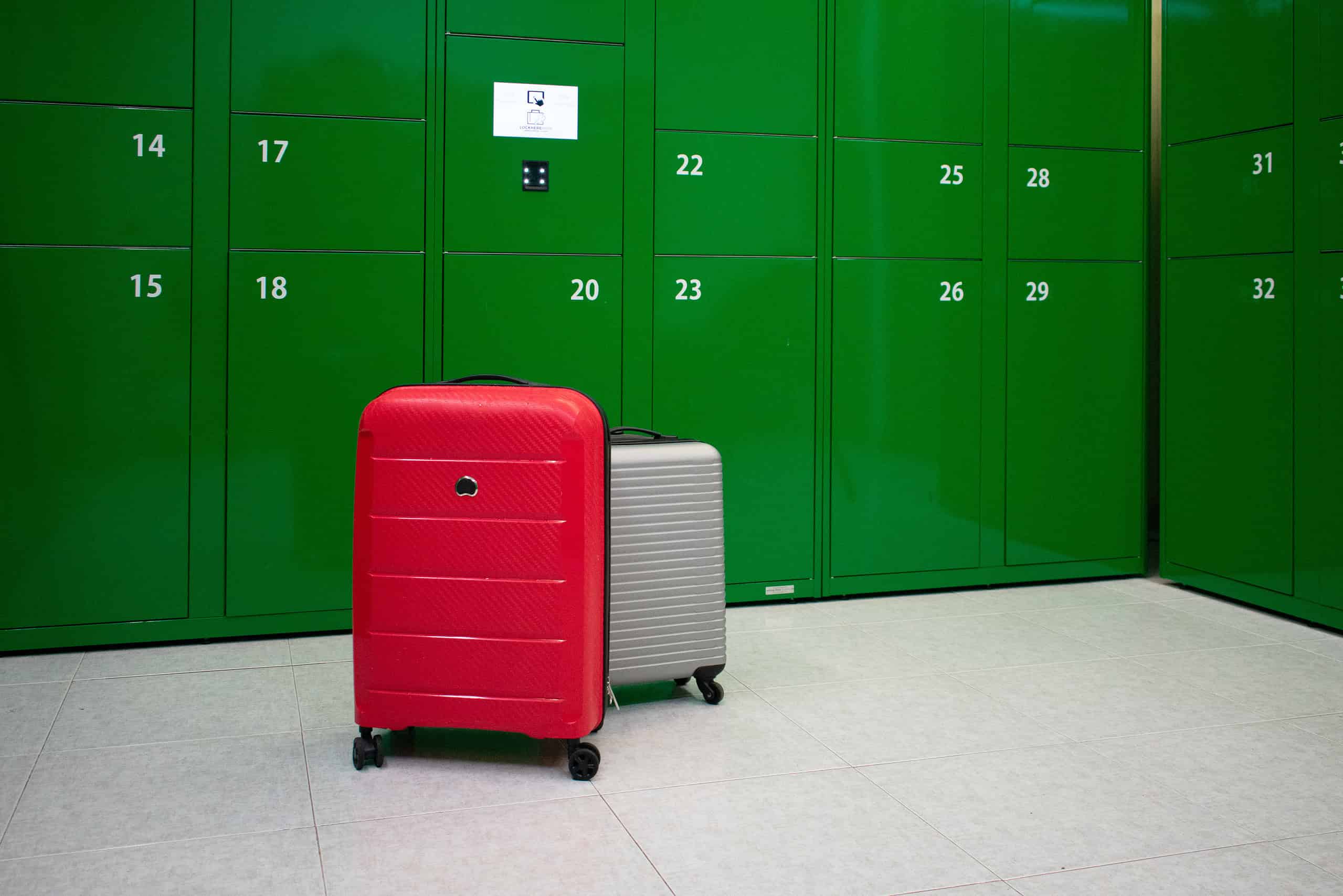
Best Luggage Storage in Vigo: The Ultimate Guide for Travelers
Wander Vigo without the weight. Discover luggage storage options that keep your stuff safe while you enjoy the waterfront and old town.
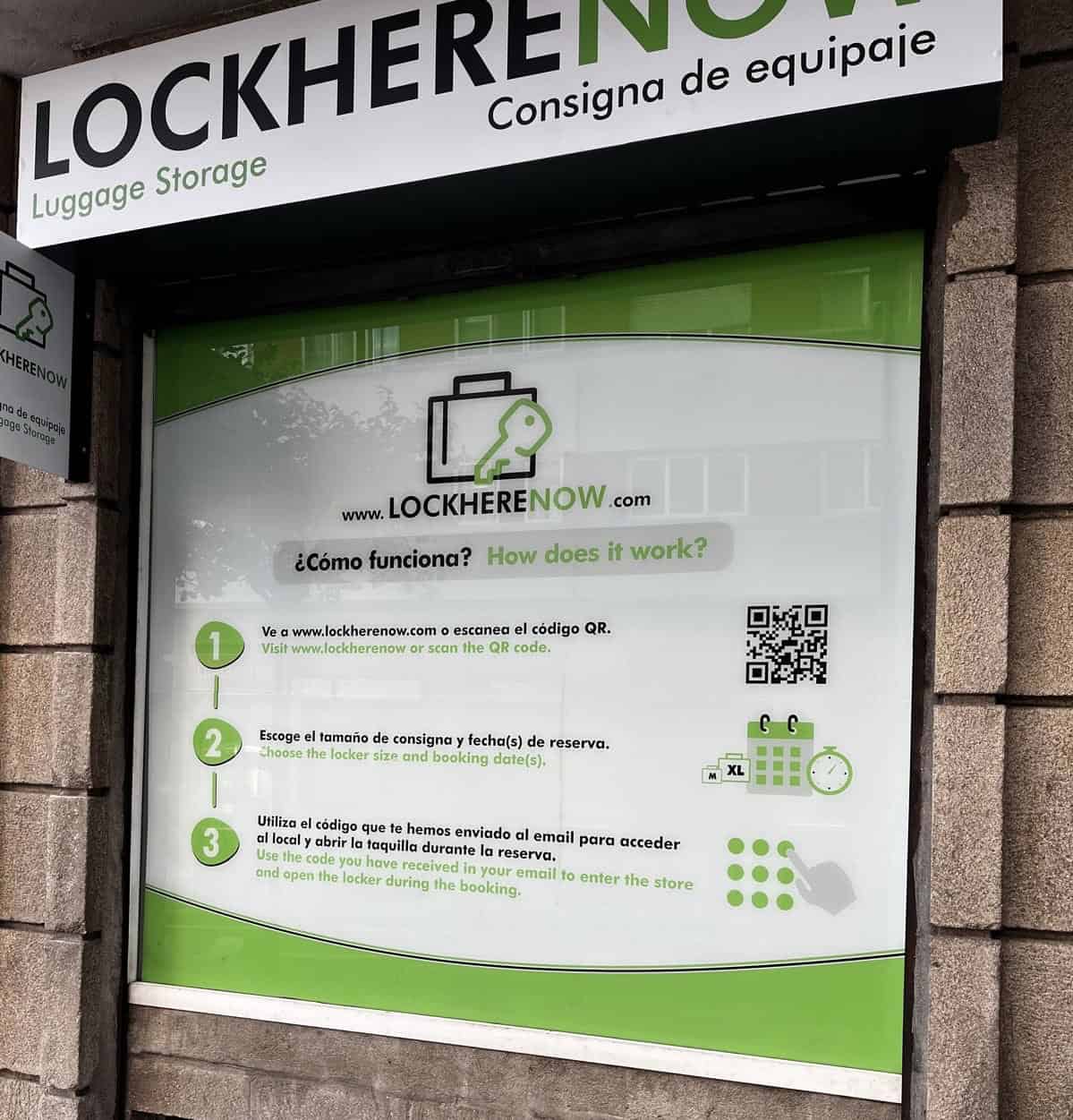
LockHereNow: Best Luggage Storage in Santiago de Compostela
Drop your bags and soak up Santiago de Compostela. From lockers to local spots, find luggage storage that lets you roam freely.
Best Luggage Storage in Bilbao: Secure and Convenient Options for Travelers
Find the best luggage storage in Bilbao to explore hands-free. Discover secure, flexible options near top sights and make the most of your visit.
Lockherenow: Secure & Safe; Best Luggage Storage in Oviedo
Explore Oviedo without your bags slowing you down. Get tips on safe, easy luggage storage so you can enjoy the city's charm unburdened.
Madrid Luggage Storage Tips: Making the Most of Your Visit
Discover smart Madrid luggage storage tips to explore the city hands-free. Find the best services, insider advice, and how to make the most of your visit.
Disclaimer: The content on Must See Spain is provided “as is” with no guarantees of accuracy, reliability, or suitability. Travel involves risks, including injury, illness, theft, or unexpected events. Must See Spain is not responsible for any issues encountered during your travels. Always verify information independently and check local sources before making plans.



Comments Off on How to Embrace Solo Travel With Social Anxiety